


Sort By: Featured
-
 £12 OFF
 -
£16 OFF
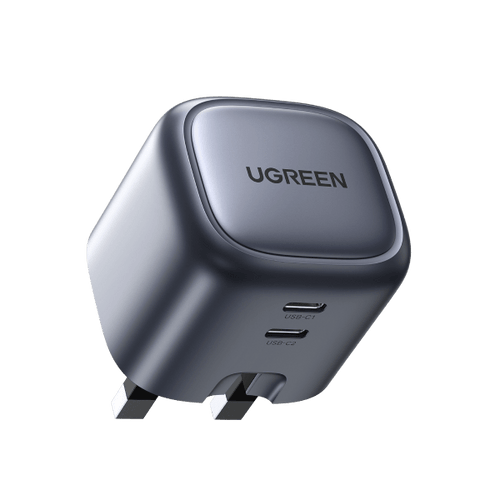

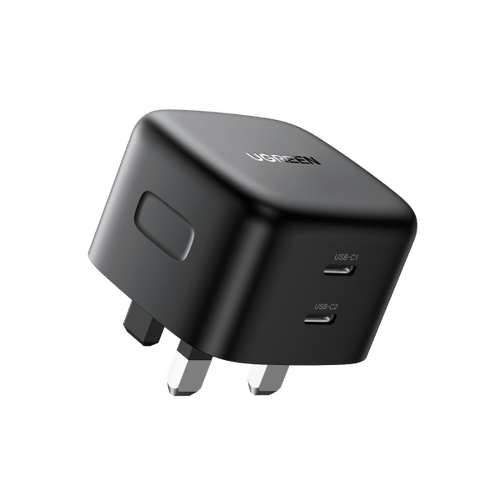
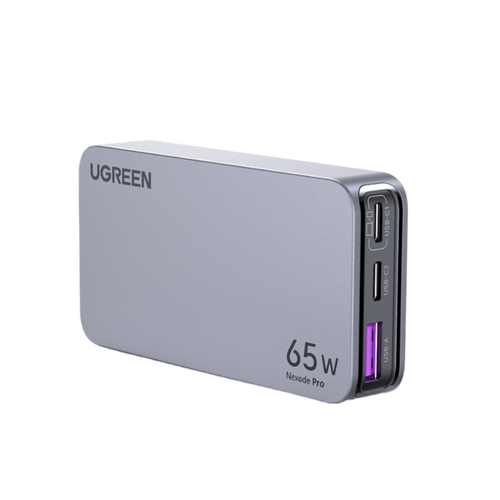
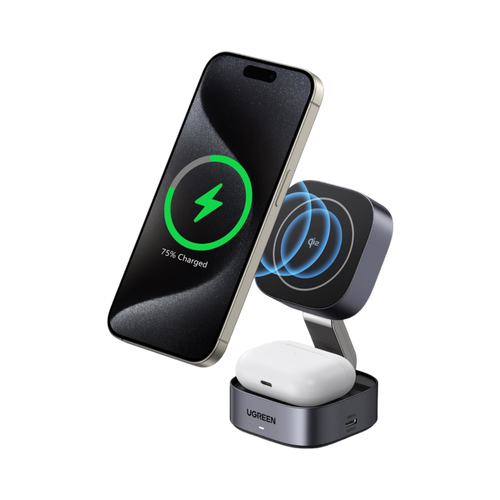
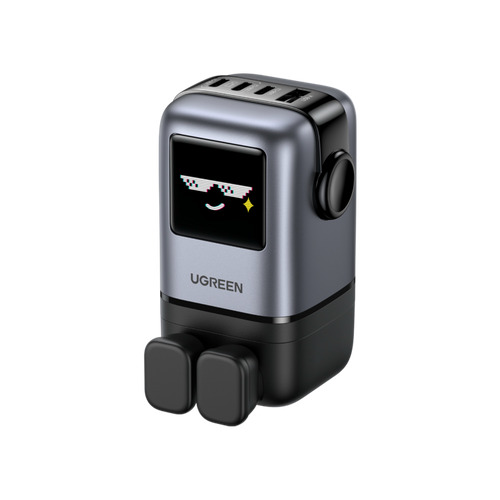
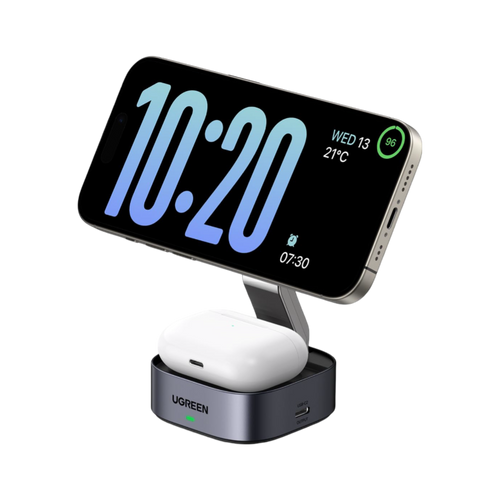

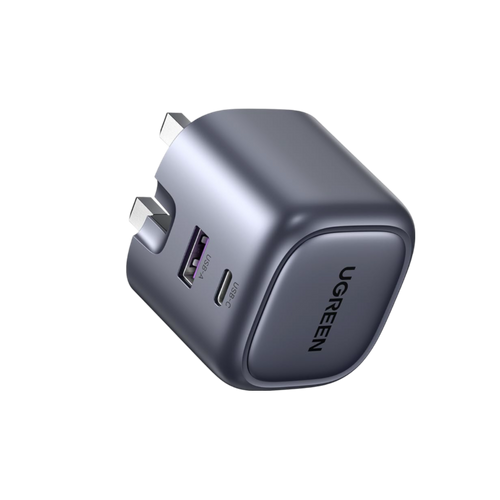
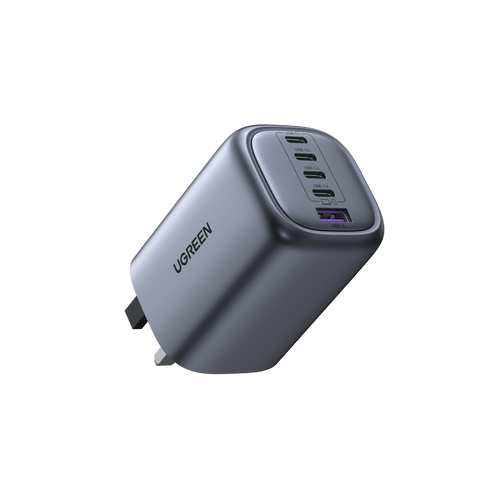
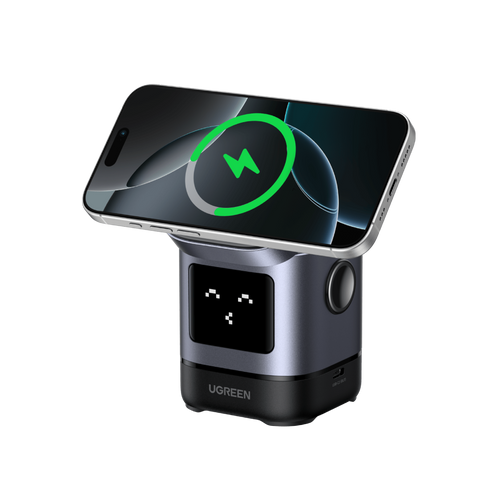
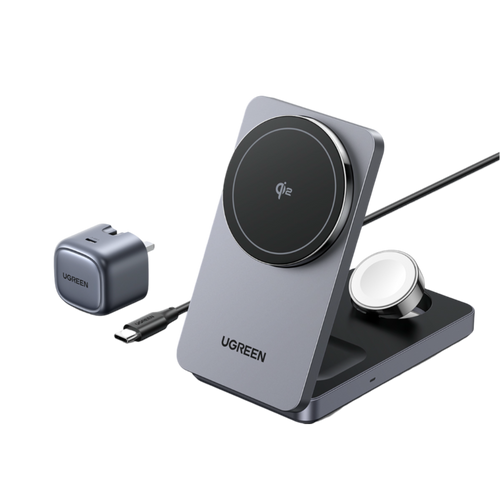
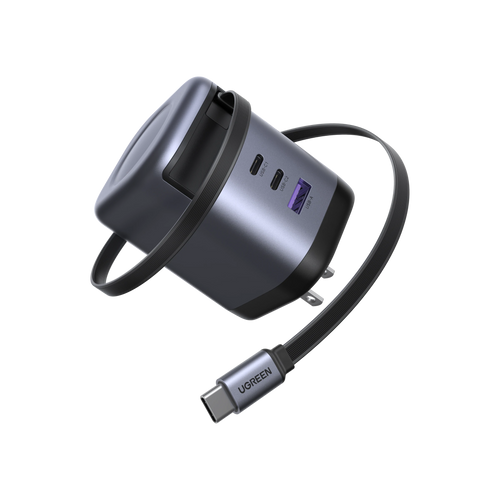
Compact Travel Chargers for Every Journey
Frequently Asked Questions About Travel Chargers
Choose a travel charger based on the devices you carry, the number of ports required and your destination’s plug type. A compact single-port charger suits a phone or earbuds, while a multi-port model is more practical for a phone, tablet and laptop. For international trips, check the input-voltage range and whether the charger includes interchangeable plugs or requires a separate plug adapter.
A single-port charger is usually smaller and works well when you only need to charge one device. A multi-port charger can replace several separate plugs and is better suited to business trips, families or travellers carrying a phone, tablet and laptop. The right choice depends on how much equipment you pack. Compare single-port and multi-port travel chargers before choosing.
Many modern USB travel chargers support an input range of 100–240V, but this should not be assumed for every model. Check the input rating printed on the charger or listed in its specifications before travelling. You will also need a plug that fits the destination’s socket. Voltage compatibility and plug compatibility are separate requirements, particularly when travelling with older electronics or non-USB appliances.
No. A travel charger supplies power to USB devices, while a basic travel adapter normally changes only the physical plug shape. A plug adapter does not automatically convert the local mains voltage. Some travel chargers include interchangeable regional plugs, but you should still check their supported input range. Read more about the difference between a travel charger and a travel adapter.
Yes, provided the charger has sufficient total output, suitable ports and compatible charging protocols. A multi-port USB-C charger can reduce the number of adapters you need to pack, although the available power may be divided between connected devices. Your laptop will usually require the highest-output port. Pair the charger with appropriately rated USB-C to USB-C cables to avoid limiting the charging performance.
The ideal wattage depends on what you are charging. Around 20W to 30W may suit many phones, while tablets, handheld consoles and lightweight laptops may require 45W or 65W. More demanding laptops or several devices may need 100W or more. Check each device’s requirements and the charger’s port allocation rather than choosing the highest wattage automatically.
It depends on the charger’s total output and power-allocation design. A port may provide its maximum advertised wattage when used alone, but connecting more devices can cause the available power to be redistributed. This may reduce the charging speed on one or more ports. Check the individual port outputs and the multi-device power table, not only the large total-wattage figure shown in the product name.
GaN technology can support compact chargers with relatively high power output, making GaN models practical for hand luggage, hotel rooms and shared sockets. They are available in both lightweight single-port and higher-output multi-port designs. GaN alone does not determine charging speed, so you should still compare wattage, protocols and ports. Explore UGREEN GaN Chargers for different travel setups.
Wireless magnetic charging can be convenient at airports, hotels and workspaces because compatible phones align more easily with the charging surface. Performance depends on the phone, charger and case, and thick or non-magnetic cases may weaken the connection. A magnetic power bank can reduce the need to connect a loose cable to the phone, while a wireless charging stand will still require its own power source.
Power banks must be carried in the aircraft cabin and should not be placed in checked baggage. Models below 100Wh are generally permitted, while batteries between 100Wh and 160Wh normally require airline approval; larger batteries are generally prohibited in passenger baggage. Airline rules on quantity, storage and onboard use may be stricter, so check before departure. Browse UGREEN Power Banks and review the latest UK and EU flight rules for power banks.