


Sort By: Best selling
-
 £12 OFF
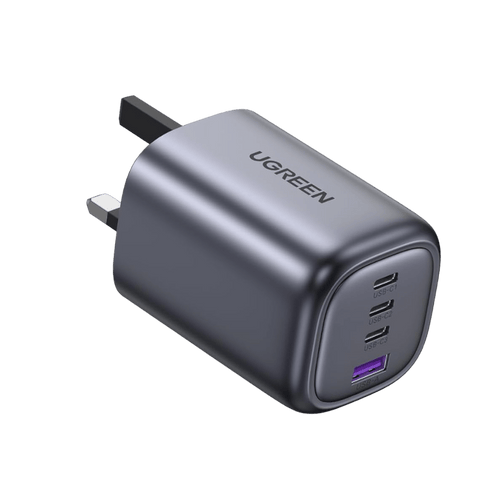

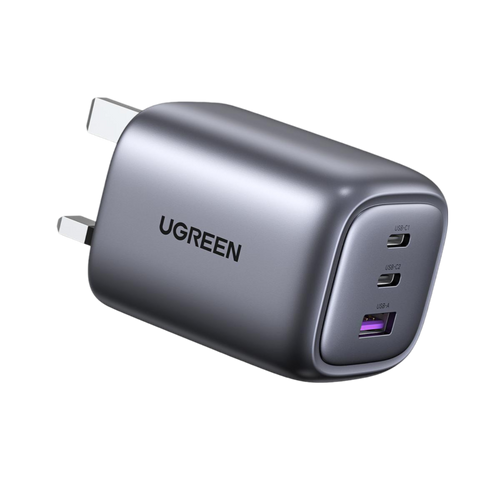
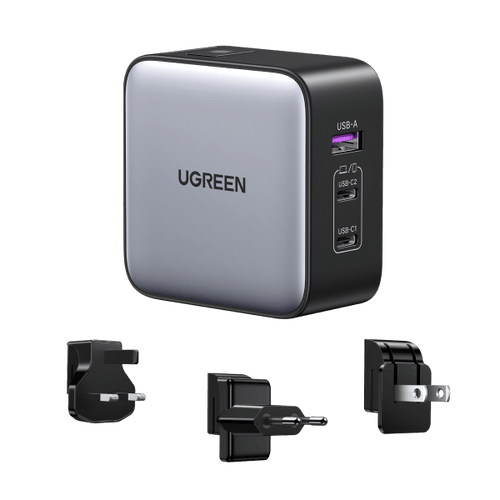

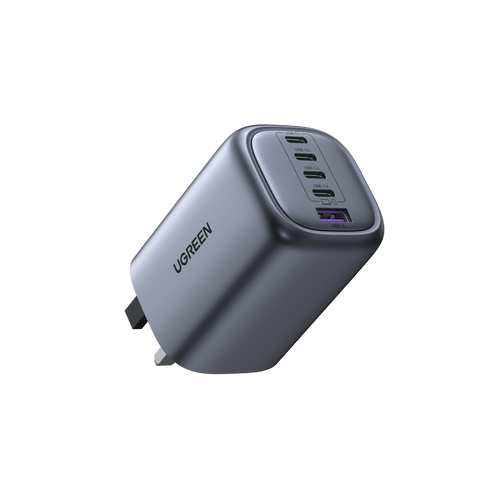
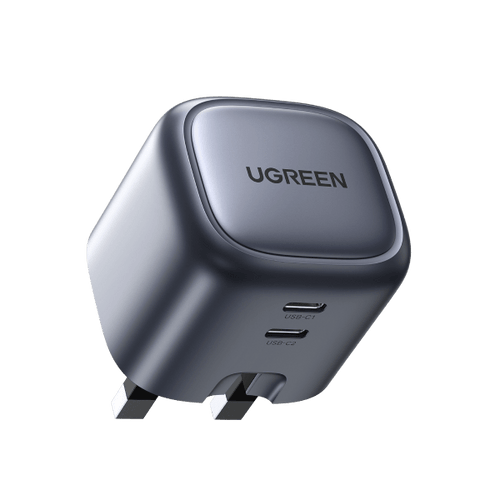
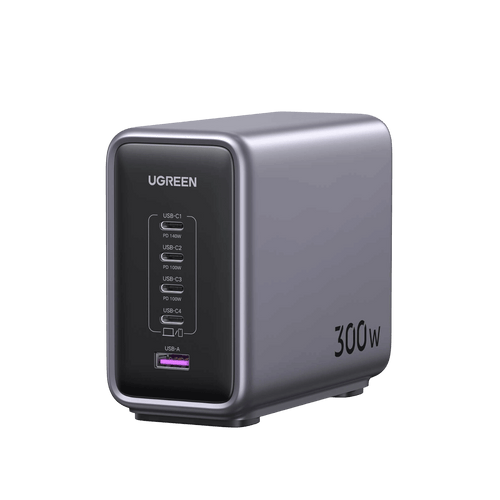
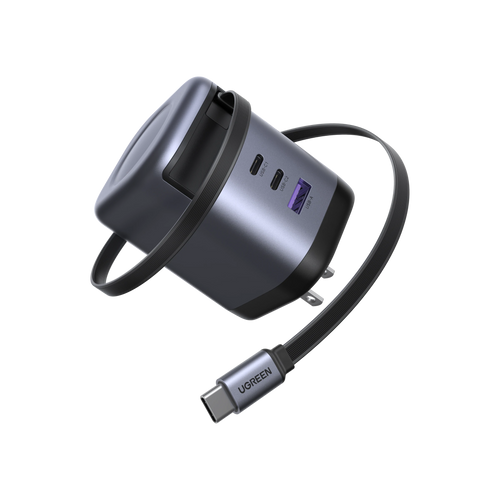
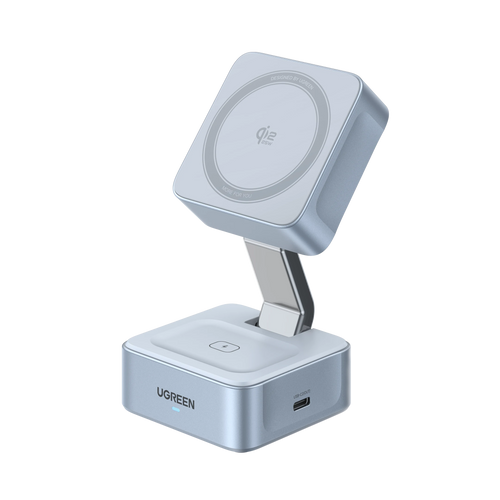
iPhone Chargers for Fast, Flexible Charging
Frequently Asked Questions About iPhone Chargers
iPhone 15 and later models use a USB-C port, while iPhone 14 and earlier models use a Lightning connector. For wired fast charging, choose a USB-C Power Delivery charger together with the correct cable for your model. Compatible iPhones can also use Qi, Qi2 or MagSafe-compatible wireless charging. See our guide to which charger an iPhone 17 needs for a current example.
A 20W USB-C Power Delivery charger is a practical choice for fast charging many iPhone models. Newer models may support higher peak charging power, so a 30W, 45W or higher-rated charger can also be suitable. The best option depends on your exact iPhone model and whether you also want to charge an iPad, MacBook or another device from the same adapter.
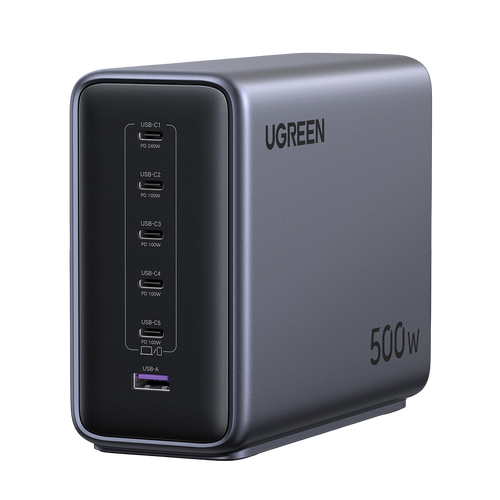
Yes. A reputable 65W or 100W USB-C Power Delivery charger can safely charge a compatible iPhone because the phone and charger negotiate the amount of power required. The wattage shown on the charger is its maximum available output, not the amount automatically forced into the phone. Higher-wattage models are especially useful when charging several devices, although power may be divided between ports.
iPhone 15 and later models normally require a USB-C to USB-C cable for wired charging. iPhone 14 and earlier models use a Lightning port and can fast-charge with compatible USB-C to Lightning cables. Check your phone’s connector before buying, and make sure both the charger and cable support the charging performance you need.
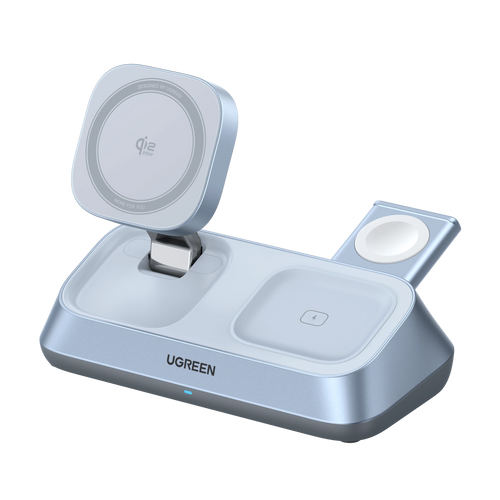
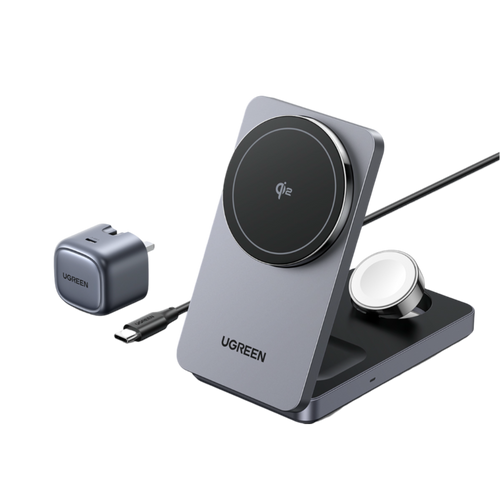
Wired charging is generally the better option when speed and energy efficiency are the priorities. Wireless charging offers greater convenience at a desk, bedside table or shared charging area, particularly when magnetic alignment keeps the phone correctly positioned. The right choice depends on how and where you charge. Explore UGREEN wireless iPhone chargers for Qi2, magnetic and multi-device options.
Qi2 is a wireless charging standard that uses magnetic alignment to improve positioning and charging consistency on compatible devices. MagSafe is Apple’s magnetic charging and accessory ecosystem. The two technologies are closely related, but the names are not always interchangeable, and charging power depends on the phone and charger certification. Learn more about how Qi wireless charging works.
Fast charging is designed to be safe when you use a compatible charger and cable from a reputable manufacturer. The iPhone manages the power it receives and may reduce charging speed as the battery fills or if the device becomes too warm. Because excessive heat can contribute to battery ageing, avoid charging in direct sunlight or under heavy coverings. Read more about whether fast charging affects battery health.
Yes, a multi-port USB-C charger with sufficient total output can charge an iPhone, iPad and MacBook from one adapter. A 65W model may suit a lightweight laptop and smaller devices, while a higher-output charger offers more flexibility for demanding setups. Check the total output, the maximum power of each port and how the charger distributes power when several devices are connected simultaneously.
Slow charging can be caused by a low-power adapter, an incompatible or damaged cable, shared power across several ports, debris in the charging port, high device temperature or heavy phone use during charging. Wireless charging may also slow down if the phone is misaligned or the case interferes with the connection. Try a direct USB-C Power Delivery connection, a suitable cable and a cooler charging environment.