


Sort By: Featured
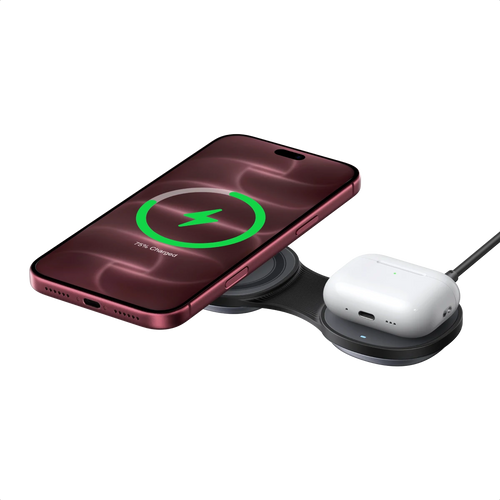


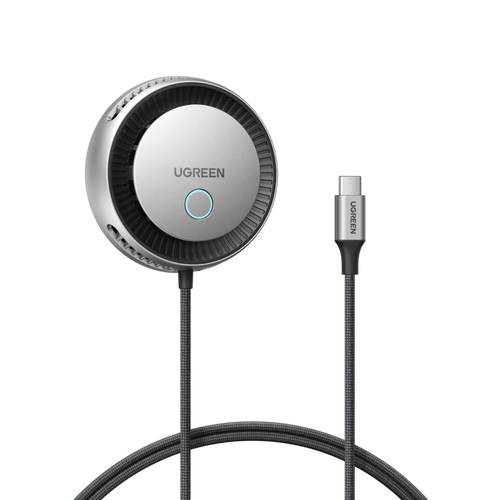
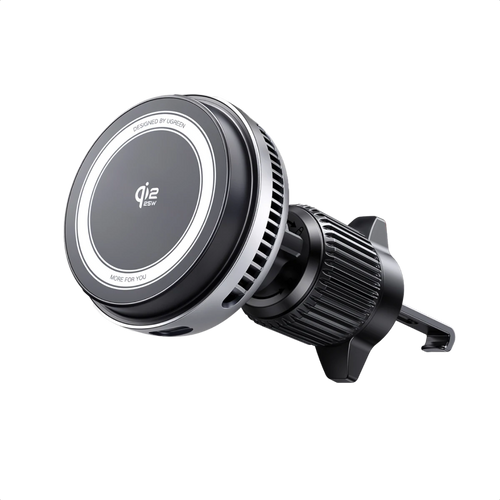
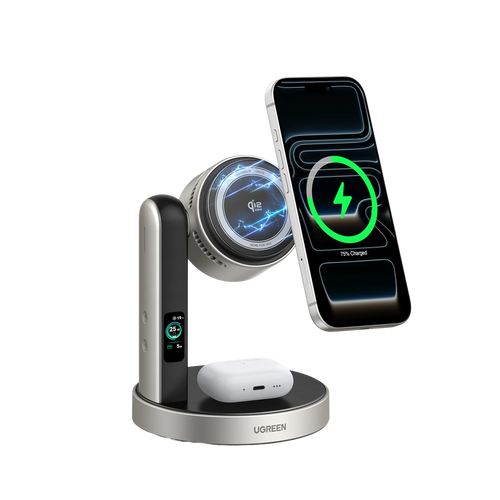

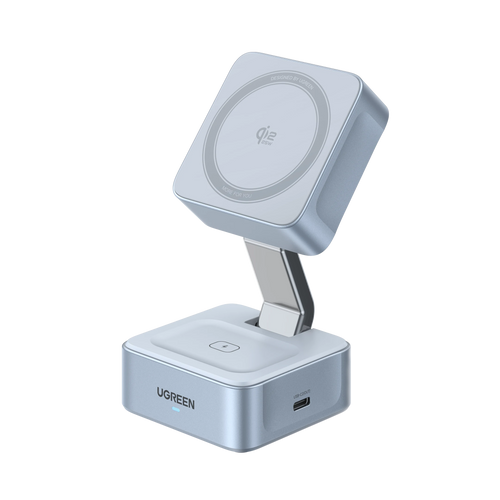
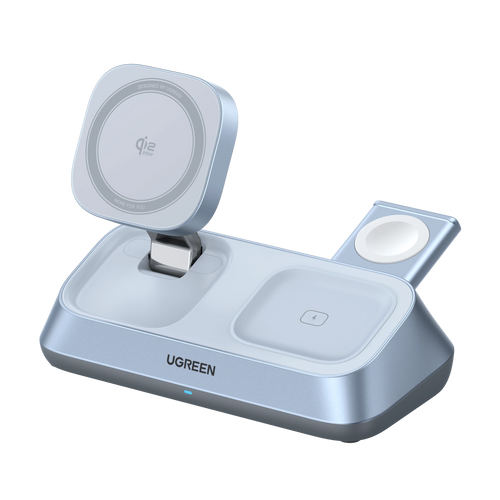
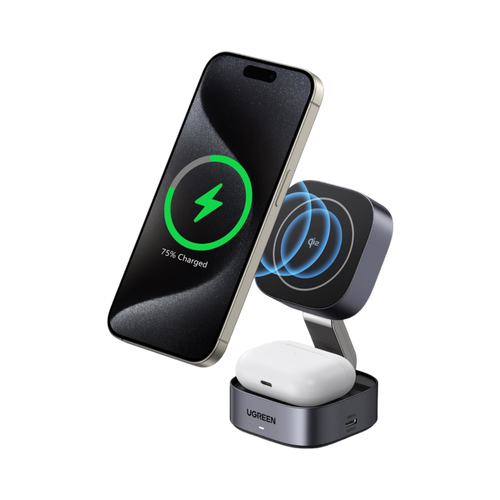
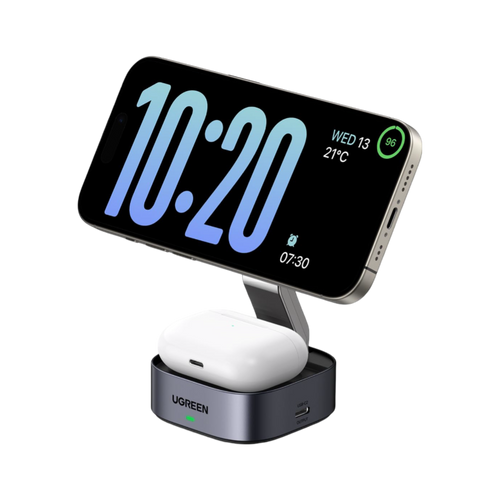
Wireless Charging Freedom
Frequently Asked Questions About Wireless Chargers
Qi2 25W is a higher-power version of the Qi2 wireless charging standard, increasing the supported maximum output from 15W to 25W for compatible devices. Actual charging speed depends on the phone, charger, power adapter, temperature and battery level. Explore the UGREEN MagFlow range or compare Qi2 25W and Qi2 15W in more detail.
A wireless charger transfers energy through electromagnetic induction between a coil inside the charger and a compatible receiving coil inside the phone or accessory. The devices need to be positioned close together, and correct alignment helps improve charging consistency. Magnetic Qi2 chargers simplify alignment by holding compatible phones in the correct position. Learn more about how wireless charging works.
No. Your phone must support Qi, Qi2 or another wireless charging standard compatible with the charger. Magnetic alignment also depends on the phone and case used; some devices may charge wirelessly without attaching magnetically. Earbuds and smartwatches can have different charging requirements, so always check the individual product specifications. See how to determine whether your phone supports wireless charging.
Wireless charging can range from around 5W to 25W, depending on the charging standard, device and charger. Wired charging is often faster and more energy-efficient, particularly when you need a quick top-up, while wireless charging offers greater convenience at a desk or bedside table. For higher-output wired options, compare UGREEN Fast Chargers.
Wireless chargers usually work through thin, non-metallic cases, but performance varies according to the case material, thickness and charger design. Thick cases, metal plates, card holders and poorly positioned magnetic rings may weaken the connection or prevent charging. For magnetic charging, use a MagSafe- or Qi2-compatible case where required and remove accessories placed between the phone and charging surface.
Wireless charging is designed to be safe when you use compatible equipment from a reputable manufacturer. The phone manages the power it receives and may reduce charging speed when the battery is nearly full or the temperature becomes too high. Some warmth is normal, but avoid covering the charger or using it in direct sunlight. Safety features and certifications vary by model, so check the individual specifications.
Check that the phone supports wireless charging and is correctly aligned with the charging coil. Remove thick cases, metal accessories and card holders, then confirm that the USB-C cable and power adapter meet the charger’s input requirements. Charging may also pause if the device becomes too warm. A compatible USB-C charger may be required to reach the wireless charger’s advertised output.